
{
“title”: “The Overview Effect: How Space Exploration Reshapes Executive Mindset”,
“meta_description”: “Discover how the cognitive shifts experienced by astronauts during space exploration provide a blueprint for high-performance leadership and strategic vision.”,
“tags”: [“space exploration”, “executive mindset”, “cognitive shift”, “strategic leadership”, “perspective taking”, “the overview effect”, “long term planning”],
“categories”: [“Science”, “Strategy”],
“body”: “
The Cognitive Edge of Orbit
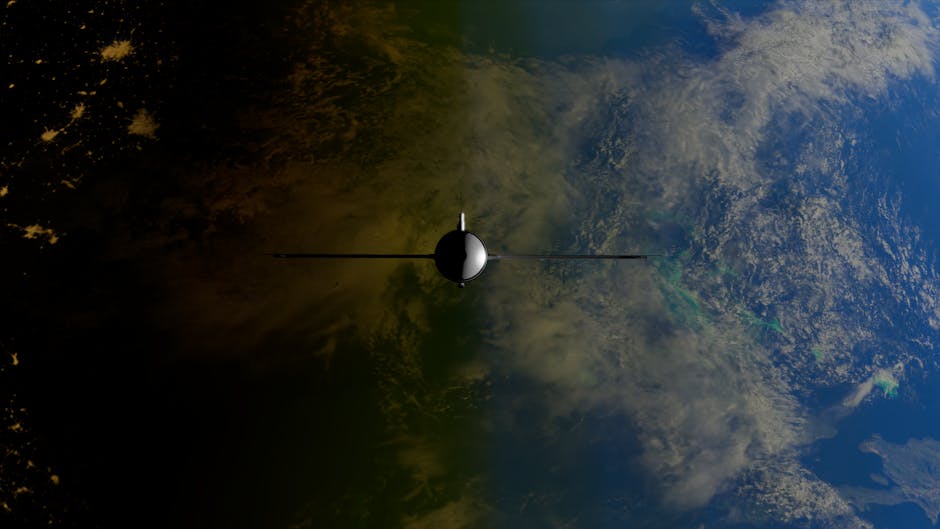
Astronauts frequently report a profound cognitive shift known as the Overview Effect—a spontaneous, intense transformation of consciousness triggered by viewing Earth from space. This isn’t merely a spiritual experience; it is an analytical recalibration. When the boundaries of nation-states disappear and the fragile, singular nature of our planet becomes visually undeniable, the observer experiences a shift from tactical survival to systemic stewardship. For the modern leader, this offers a compelling case for the necessity of radical perspective-taking in high-stakes environments.
Developing an effective leadership style requires the ability to detach from daily operational friction. Just as a commander in orbit must synthesize massive streams of data to maintain life-critical systems, leaders today must master the art of zooming out to maintain organizational integrity without losing grip on the granular details of execution.
Transcending Operational Silos
Spiritual reflection in the context of space exploration is essentially the recognition of interdependence. Astronauts describe a sense of connection that renders traditional rivalries and rigid departmental barriers obsolete. In business, the greatest risks often emerge from siloed thinking, where departments optimize for local gains at the expense of the enterprise ecosystem.
By integrating the ‘overview’ philosophy into strategic planning, leaders can identify systemic vulnerabilities that are invisible from the ground level. This objective distance is essential for high-quality decision-making. When you frame your company’s impact within the broader context of its industry or social sphere, you move beyond mere competition and begin to focus on sustainable value creation, a core tenet of the BossMind ecosystem.
The Intersection of Technology and Humility
Space exploration is the pinnacle of engineering precision, yet it consistently brings the human spirit face-to-face with the unknown. This duality—the marriage of rigorous operational discipline and metaphysical awe—is a template for the modern high-performer. As we integrate advanced AI models into our workflows, we risk becoming overly detached, relying on algorithms to mediate our reality. A spiritual or philosophical grounding prevents this mechanical reductionism.
True innovation requires the humility to acknowledge that our current datasets are finite. The ability to remain intellectually humble while managing immense technological capacity is what separates mediocre managers from visionary leaders who can optimize performance without sacrificing their humanity or the long-term health of their teams.
Synthesizing New Realities
The lessons from space are not meant to remain in the stratosphere. To apply them, one must practice ‘cognitive distancing’ regularly. Whether through scheduled time for critical reflection or by actively challenging the framing of your most pressing business problems, you can replicate the clarity of the orbital view. Leaders who master this transition—shifting seamlessly between the micro-details of a project and the macro-perspective of their global impact—consistently outperform their peers who remain tethered to the surface-level grind. You can explore more about high-performance professional development at thebossmind.net.
Further Reading
”
}






Leave a Reply